

Locs have a reputation for being “no maintenance.” Anyone who has worn them for a few years will tell you that’s only half true. Dreadlocks need less daily styling than loose hair, but keeping them clean, strong and good-looking takes a routine. Here is what that routine looks like if you want healthy dreadlocks for the long run, whether you started last month or ten years ago.
First, know your locs
Locs form when hair coils, tangles and matts into rope-like strands. Some people let that happen on its own; others help it along. The method you choose changes how your locs look and how you care for them:
- Freeform: you wash and leave the hair to lock on its own. Sizes vary and the look is natural and organic.
- Two-strand twists or coils: the classic starter method for textured hair. Neat from day one, they lock up over several months.
- Interlocked: a tool pulls the end of each loc back through the root. Tight and tidy, and good for people who swim or work out a lot.
- Crochet: a fine hook pulls loose hair into the loc for a finished look straight away.
- Microlocs and Sisterlocks: very small locs made with a precise grid. Sisterlocks is a trademarked method done by certified consultants.
Before you start
Locs are a long-term choice. Taking them out later means cutting or hours of careful combing, so it’s worth thinking a few things through:
- Your hair type: tightly coiled hair locks fastest. Straighter hair can lock too, but it usually needs backcombing or crochet work and more patience.
- Time: expect a frizzy, unpredictable “teen” phase that can last a year or more.
- Budget: a good loctician for the install and regular retwists is money well spent, especially at the start.
Starting your locs
Begin with clean hair. Wash with a clarifying shampoo to remove old product and let it dry completely. Then section the scalp: the size of each section decides the size of each loc, so take your time here.
Skip the heavy waxes. They were popular for years, but they don’t help hair lock. They sit inside the loc, attract lint and are very hard to wash out. A light locking gel or aloe vera is plenty.
In the first weeks, some starter locs will unravel, especially after washing. That’s normal. Retwist them gently and give your hair time. The hair is learning a new shape.
Your weekly routine
Wash
Clean locs lock better than dirty ones. Once a week, or every two weeks if your scalp is dry, wash with a residue-free shampoo. Focus on the scalp, squeeze the suds through the length of each loc, then rinse longer than you think you need to.
Dry properly
This is the step people skip, and it’s the one that causes the most trouble. Squeeze out water with a microfiber towel, then let your locs air-dry fully or use a hooded dryer. Never go to bed with damp locs.
Moisturize lightly
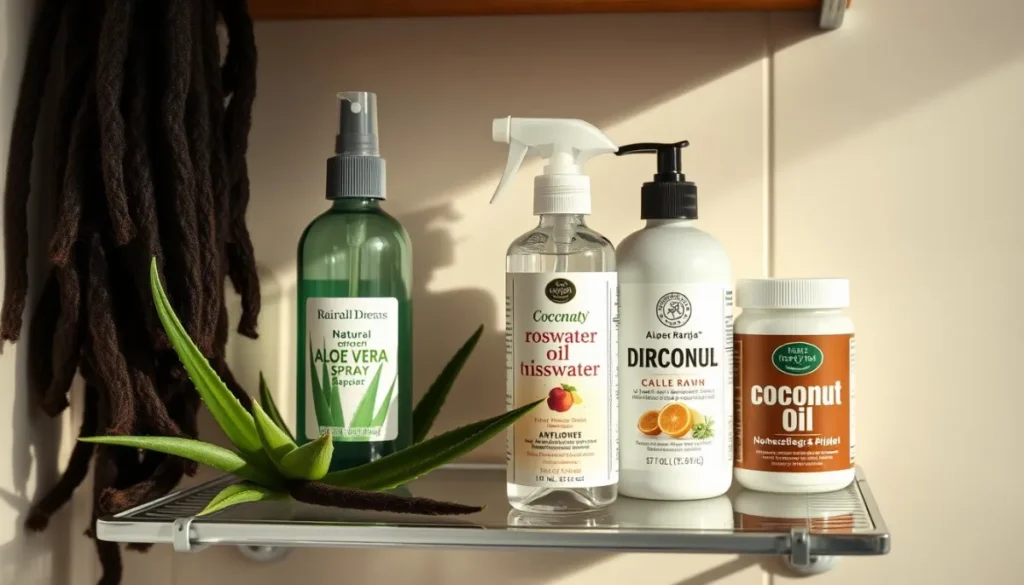
A spray of rosewater or aloe mixed with a few drops of jojoba or coconut oil keeps locs soft without building up. Focus on the scalp and the ends, which dry out first.
Maintain new growth
Every four to eight weeks, palm roll, retwist or interlock the new growth at the roots. Don’t overdo it: twisting too often or too tight thins the roots and can lead to breakage and hair loss at the edges.
Fixing common problems
Build-up
White residue inside locs comes from product, hard water or shampoo that wasn’t rinsed out. A deep cleanse every month or two helps: soak your locs in warm water with baking soda, then rinse with diluted apple cider vinegar, then rinse again with plain water. Dry thoroughly afterwards.
Frizz
Some frizz is part of the look, especially in the early years. If you want things neater, palm roll regularly and use a crochet hook to tuck loose hairs back in. Sleeping on satin makes a bigger difference than any product.
Musty smell
That smell is usually mildew, and it comes from locs that stayed damp. Prevention is simple: dry completely after every wash. If it has already happened, do a deep cleanse with apple cider vinegar, dry well, and add a couple of drops of tea tree oil to your moisturizing spray.
Long-term habits that make a difference
Protect them at night. A satin bonnet, scarf or pillowcase cuts friction, frizz and lint from cotton sheets.
Eat and drink well. Hair is made of protein. A balanced diet with enough protein, iron and water supports healthy growth. No shampoo can fix what’s missing on the plate.
Don’t pull. Tight ponytails and heavy updos every day put a lot of strain on the roots. Change your styles and give your scalp a break.
See a loctician now and then. Even if you maintain your own locs, a check-up a few times a year helps catch thinning, weak spots or locs that are starting to merge.
Pros and cons, honestly
The good: less daily styling, a strong link to culture and identity for many people, and a look that gets better with age. The less good: the early stages are messy, deep cleaning takes effort, and sadly some people still meet prejudice at school or at work because of their hair. Laws like the CROWN Act in many US states now protect people against that kind of discrimination, but attitudes take longer to change.
Styling ideas
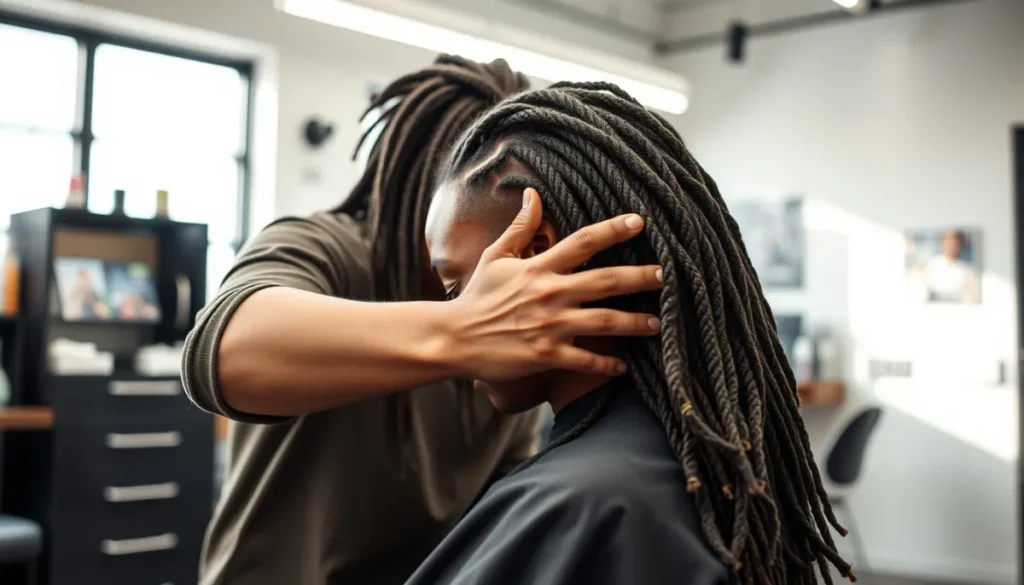
Once your locs have some length, the options open up. Try a high bun for work, a half-up style for the weekend, braids or barrel twists for a party. Add cuffs, beads, cowrie shells or a head wrap to change the look in seconds. Just keep accessories light so they don’t weigh the locs down.
More than a hairstyle
For many people, locs are tied to Rastafari faith, to African heritage or simply to a decision to let their hair be what it is. Whatever your reason, the care is the same: keep them clean, dry them well, handle them gently and be patient. Do that, and you’ll have healthy dreadlocks you’re proud of for years.
Related reading: Dreadlocks 101: A Journey into Culture, Maintenance, and Style · Caring for Your Crown: Essential Tips for Healthy Dreadlocks · The Art of Dreadlocks: History, Myths, and Modern Trends
Shop the Jamaican look
Inspired by this story? Explore our Jamaican clothing for women and Jamaican clothing for men to wear your love for Jamaica every day.